

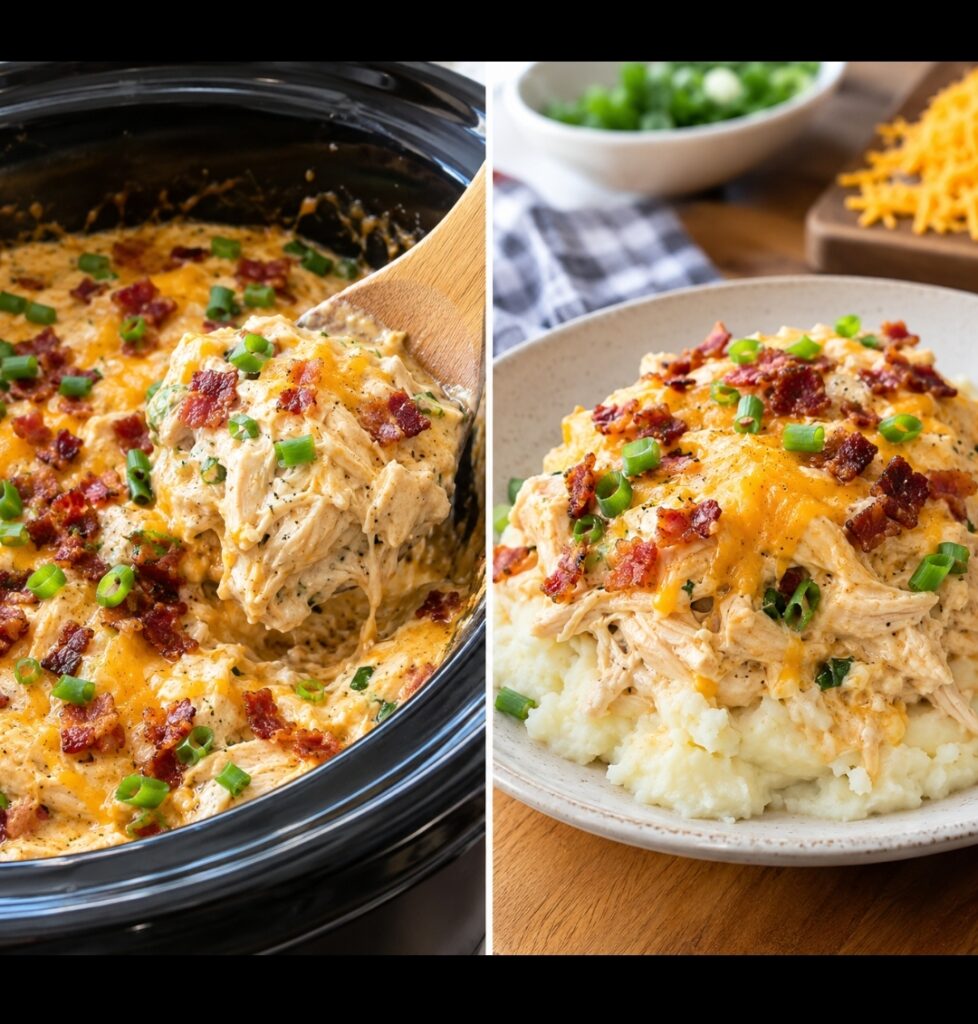
If you love easy dinners that taste like you spent hours in the kitchen, this Crockpot Creamy Ranch Chicken deserves a place on your weekly meal plan. It combines tender shredded chicken, creamy ranch seasoning, rich cream cheese, garlic, and melted cheddar to create a comforting dinner full of flavour.
The best part? Your slow cooker does most of the work. Add your ingredients, let the chicken cook until tender, and finish with a creamy sauce that tastes delicious over mashed potatoes, rice, or egg noodles.
Whether you are looking for easy crockpot recipes, creamy chicken dinners, or new family-friendly meals, this recipe is simple enough for beginners and delicious enough to make again and again.

Why You’ll Love This Crockpot Creamy Ranch Chicken
- Easy preparation: Simple ingredients and minimal hands-on cooking.
- Rich, creamy sauce: Cream cheese and ranch seasoning create a delicious combination.
- Perfect for busy weeknights: Let your slow cooker handle most of the cooking.
- Family-friendly: Serve with mashed potatoes, rice, pasta, or vegetables.
- Easy to customise: Add spinach, mushrooms, bacon, or extra cheese.
Ingredients for Crockpot Creamy Ranch Chicken
This recipe uses everyday ingredients to create tender chicken and a creamy, savoury sauce.
- 2 pounds boneless, skinless chicken breasts
- 1 packet (about 1 ounce) ranch seasoning mix
- 8 ounces cream cheese, cut into cubes
- 1 cup chicken broth
- 3 garlic cloves, minced
- 1 small yellow onion, chopped
- 1/2 teaspoon black pepper
- 1 cup shredded cheddar cheese (optional)
- 3–4 slices cooked bacon, crumbled (optional)
- 2 tablespoons chopped green onions (optional)
Helpful tip: Ranch seasoning and chicken broth can contain plenty of sodium, so taste the finished sauce before adding extra salt.
How to Make Crockpot Creamy Ranch Chicken
Step 1: Prepare the Slow Cooker
Lightly grease your slow cooker if recommended by the manufacturer. Arrange the chicken breasts in a single layer at the bottom.
Step 2: Add the Seasonings
Sprinkle the ranch seasoning over the chicken. Add the minced garlic, chopped onion, and black pepper. Pour the chicken broth around the chicken.
Step 3: Cook the Chicken
Cover and cook on LOW for approximately 4–6 hours or HIGH for approximately 2–3 hours. Cooking times vary depending on the thickness of the chicken and your slow cooker, so check the chicken for doneness.
Food safety: The thickest part of the chicken must reach an internal temperature of 165°F (74°C). Use a food thermometer to check.
Step 4: Add the Cream Cheese
Once the chicken is cooked through, add the cubed cream cheese. Let it soften in the hot cooking liquid for several minutes before stirring until the sauce begins to look smooth and creamy.
Step 5: Shred the Chicken
Transfer the chicken to a clean plate and shred it with two forks. Return the shredded chicken to the slow cooker and stir it into the creamy ranch sauce.
If the sauce is too thick, add a little warm chicken broth. If it is too thin, thicken it gradually with a small amount of cornstarch mixed with cold water.
Step 6: Add the Cheddar Cheese
Stir in the shredded cheddar cheese, if using. Allow it to melt into the sauce, then taste and adjust the seasoning if necessary.
Step 7: Garnish and Serve
Top with crumbled cooked bacon and chopped green onions. Serve warm over mashed potatoes, rice, or egg noodles.
The Best Side Dishes for Creamy Ranch Chicken
Mashed Potatoes
Soft, buttery mashed potatoes are an excellent pairing because they soak up the creamy ranch sauce.
White Rice
Serve the chicken and sauce over fluffy rice for a simple, satisfying weeknight dinner.
Egg Noodles
Wide egg noodles pair beautifully with the rich sauce. Toss the noodles with a little sauce before adding the chicken.
Roasted Vegetables
Broccoli, carrots, green beans, and asparagus add colour and freshness to the meal.
Dinner Rolls
Warm dinner rolls are perfect for scooping up any leftover sauce on your plate.
Tips for the Best Slow Cooker Ranch Chicken
- Soften the cream cheese: Room-temperature cream cheese blends more easily into the sauce.
- Cut the cream cheese into cubes: Smaller pieces soften faster.
- Avoid overcooking: Start checking the chicken at the early end of the suggested cooking window.
- Use freshly shredded cheddar: It often melts more smoothly than pre-shredded cheese.
- Add liquid gradually: Chicken releases moisture during cooking, so add extra broth only when needed.
- Check the salt: Ranch seasoning, broth, bacon, and cheddar can all contribute sodium.
Easy Variations to Try
Crockpot Ranch Chicken with Bacon
Cook the bacon separately until crisp, crumble it, and sprinkle it over the chicken just before serving to preserve its texture.
Extra Cheesy Ranch Chicken
Add extra cheddar or a little Monterey Jack near the end of cooking for an even cheesier finish.
Ranch Chicken with Spinach
Stir a few handfuls of fresh spinach into the hot sauce near the end and allow it to wilt before serving.
Ranch Chicken with Mushrooms
Add sliced mushrooms for an earthy flavour that complements the creamy sauce. Brown them separately first if you prefer a deeper flavour.
Spicy Creamy Ranch Chicken
Add a pinch of red pepper flakes or a little hot sauce if you enjoy a mild kick of heat.
Can You Make This Recipe Ahead of Time?
Yes. You can chop the onion, mince the garlic, measure the seasoning, and portion the cream cheese in advance. Store prepared ingredients in covered containers in the refrigerator.
Keep raw chicken refrigerated until you are ready to cook it. Avoid leaving raw chicken at room temperature while preparing other ingredients.
How to Store Leftovers
Transfer leftovers to shallow, airtight containers and refrigerate within two hours of cooking. Store at 40°F (4°C) or below and use within 3–4 days.
Can You Freeze Creamy Ranch Chicken?
Yes. Freeze cooled chicken in airtight, freezer-safe containers. Cream cheese sauces can separate or become grainy after thawing, so stir well while reheating. For best quality, aim to use frozen leftovers within 2–3 months.
How to Reheat Leftovers
Reheat gently in a saucepan over low to medium-low heat, stirring occasionally. Add a small splash of chicken broth if the sauce has thickened. You can also use a microwave-safe container, stirring at intervals.
Reheat leftovers to an internal temperature of 165°F (74°C).
Frequently Asked Questions
Can I use frozen chicken in the crockpot?
Use fully thawed chicken for this recipe. Frozen chicken can heat too slowly in a slow cooker, potentially remaining in an unsafe temperature range for too long.
Can I use chicken thighs instead of chicken breasts?
Yes. Boneless, skinless chicken thighs work well and offer a richer flavour. Cooking times may vary, so check that the thickest pieces reach 165°F (74°C).
When should I add cream cheese?
Add it near the end, once the chicken is cooked through. Let it soften before stirring it into the cooking liquid to help create a smooth sauce.
Why is my ranch chicken sauce watery?
Chicken releases moisture during slow cooking. Thicken the sauce gradually with a little cornstarch mixed with cold water, or reduce it separately in a saucepan.
Can I make this recipe without cheddar?
Absolutely. Cheddar is optional. Cream cheese provides the creamy texture, while the ranch seasoning adds savoury flavour.
What should I serve with creamy ranch chicken?
Mashed potatoes, rice, egg noodles, roasted vegetables, and dinner rolls are all excellent choices.
Final Thoughts
Crockpot Creamy Ranch Chicken combines tender chicken, savoury ranch seasoning, garlic, and a rich cream cheese sauce to create a comforting family dinner.
It is easy to prepare, simple to customise, and versatile enough to serve with potatoes, rice, noodles, or vegetables. Save this recipe for your next busy weeknight and try one of the variations when you want something different.
Would you serve this creamy ranch chicken over mashed potatoes, rice, or egg noodles? Let us know in the comments!
Recipe Card: Crockpot Creamy Ranch Chicken
Prep Time: 10 minutes
Cook Time: Approximately 4–6 hours on LOW or 2–3 hours on HIGH
Servings: 6
Method: Slow cooker
Ingredients
- 2 pounds boneless, skinless chicken breasts
- 1 packet ranch seasoning mix (about 1 ounce)
- 8 ounces cream cheese, cubed
- 1 cup chicken broth
- 3 garlic cloves, minced
- 1 small yellow onion, chopped
- 1/2 teaspoon black pepper
- 1 cup shredded cheddar cheese, optional
- 3–4 slices cooked bacon, crumbled, optional
- 2 tablespoons chopped green onions, optional
Instructions
- Place chicken breasts in the slow cooker.
- Add ranch seasoning, garlic, onion, black pepper, and chicken broth.
- Cover and cook on LOW for approximately 4–6 hours or HIGH for 2–3 hours, checking for doneness.
- Confirm the chicken reaches 165°F (74°C) internally.
- Add cream cheese and allow it to soften.
- Shred the chicken with two forks and return it to the slow cooker.
- Stir until creamy, then add cheddar if desired.
- Top with cooked bacon and green onions, then serve warm.
Storage: Refrigerate promptly and use within 3–4 days. Reheat leftovers to 165°F (74°C).
SEO settings
– SEO title: Crockpot Creamy Ranch Chicken – Easy Slow Cooker Dinner
– Slug: “crockpot-creamy-ranch-chicken”
– Meta description: Make creamy Crockpot Ranch Chicken with tender shredded chicken, ranch seasoning, cream cheese and cheddar. An easy slow cooker dinner for busy nights.
– Focus keyphrase: Crockpot Creamy Ranch Chicken
– Suggested tags: Crockpot Recipes, Slow Cooker Chicken, Easy Dinner Ideas, Ranch Chicken, Chicken Recipes
WordPress tip: Copy only the HTML inside the code block and paste it into the Classic Editor’s Text tab or the Code editor. For a professional recipe page, add a recipe card through a recipe plugin such as WP Recipe Maker, and upload your own food photos with descriptive alt text. The HTML above does not include recipe-plugin structured data by itself.
Leave a Reply