
Choosing the right financial tools can make a significant difference to the profitability, cash flow and day-to-day efficiency of a UK business.
Whether you are a sole trader, freelancer, contractor, limited company or growing start-up, the right business bank account can help you manage payments, separate business and personal finances, track expenses and connect your banking with accounting software.
But a business bank account is only one part of the financial stack. Business savings accounts, corporate cards, expense-management platforms, accounting software, payroll tools and international payment services can all play an important role as a company grows.
This guide looks at the main types of UK business financial products available in 2026 and explains what to consider before choosing them.
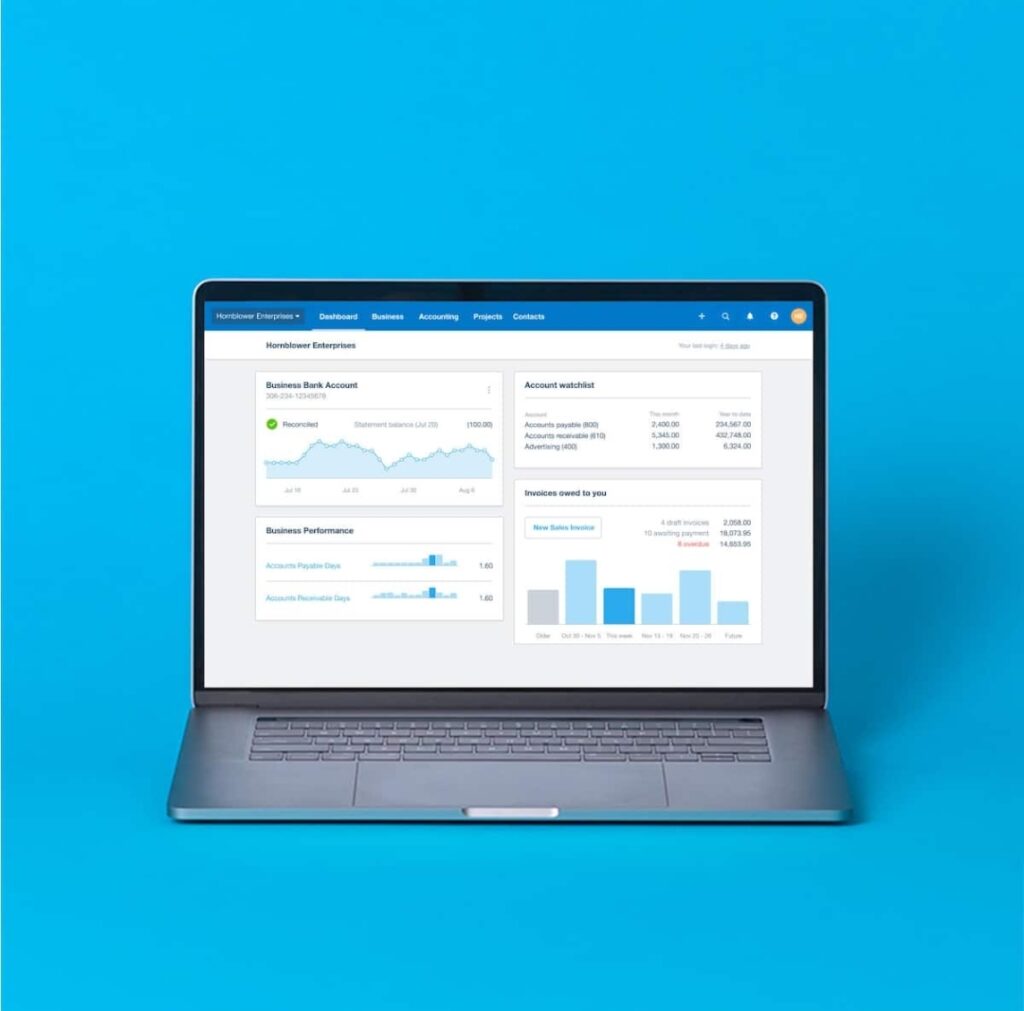
1. Best UK Business Bank Accounts in 2026
A business current account is usually the foundation of a company’s financial setup. It provides a central place for customer payments, supplier bills, salaries, subscriptions, taxes and other operating expenses.
The cheapest account is not necessarily the best account. Business owners should consider monthly fees, transaction charges, cash deposits, international payments, accounting integrations, customer support and access to additional financial products.
Digital Business Bank Accounts
Digital banks and fintech providers have become increasingly popular among UK small businesses because many offer fast application processes, mobile banking, spending controls and accounting integrations.
Starling Business
Starling’s business banking proposition is particularly suited to businesses that conduct most transactions electronically. Its business account currently advertises no monthly fee and no fees for UK payments in or out.
Starling also supports integrations with Xero, QuickBooks and FreeAgent, allowing business transactions to flow into accounting software. Businesses can attach receipts and documents to transactions, which can make expense management easier.
For businesses dealing with cash, however, owners should check the current deposit limits and charges before opening an account. Starling currently lists a charge of £3 or 0.7% for cash deposits, whichever is higher.
Monzo Business
Monzo Business is another major digital option for UK businesses. Its platform provides business banking features alongside tools for managing transactions, accounting connections and business spending.
Monzo supports connections with accounting platforms including Xero, FreeAgent and QuickBooks, which can reduce the amount of manual bookkeeping required.
Businesses considering Monzo should compare the features and pricing of its available plans because fees and included services can differ between account tiers. International payments can also involve fixed and variable charges depending on the currency and destination.
Revolut Business
Revolut Business can be particularly relevant for companies that regularly receive or send money internationally.
Businesses working with overseas contractors, international suppliers, software companies or customers may benefit from having access to multiple currencies and business payment features.
However, international businesses should compare exchange rates, transfer fees, account limits and subscription costs rather than choosing a provider solely because it offers multi-currency functionality.
Tide and Other Digital Providers
Tide is another widely used option for smaller UK businesses and sole traders. Its business accounts can provide access to accounting integrations and digital expense management.
Current pricing can depend on the account plan and transaction type, so businesses should look beyond promotional offers and calculate their expected annual banking costs.
2. Traditional UK Business Banks
Digital banking is not suitable for every company. Businesses that regularly handle cash, need branch access or require more traditional lending and relationship-management services may prefer a high-street bank.
HSBC UK
HSBC can be particularly relevant to businesses with international requirements because of its global banking network.
Its Small Business Banking Account currently advertises no monthly account fee and free standard UK digital transactions, although businesses can still face charges for certain cash, cheque and other services. HSBC has also announced changes to parts of its business price list from December 2026, so customers should check the latest charges before applying.
Barclays Business Banking
Barclays remains an option for businesses that prefer a traditional banking relationship and require access to business banking, lending and other financial services.
Businesses should compare the account’s transaction structure against their expected payment volume, particularly if they regularly deposit cash or use additional banking services.
NatWest and RBS
NatWest and RBS offer business banking alongside access to other financial services and accounting-related tools.
For businesses already operating within the wider NatWest Group ecosystem, the availability of connected financial products and accounting services can be an important consideration.
3. Business Bank Account Comparison: What Really Matters?
When comparing UK business bank accounts, the headline monthly fee is only one part of the calculation.
- Monthly account fee: Check what you will pay after any introductory period.
- UK transfers: Look at whether incoming and outgoing electronic payments are free.
- Cash deposits: Important for shops, restaurants and other cash-intensive businesses.
- International payments: Compare transfer charges and foreign-exchange costs.
- Accounting integrations: Check compatibility with Xero, QuickBooks, FreeAgent or other software.
- Business cards: Consider the number of cards available and spending controls.
- Customer support: Decide whether app-only support is suitable for your company.
- Borrowing: Businesses expecting to need overdrafts or finance should compare lending options.
- Deposit protection: Check the applicable protection arrangements and eligibility.
A recent UK comparison by MoneySavingExpert highlights the same fundamental distinction: digital providers can be attractive for businesses that mainly use electronic payments, while companies that frequently handle cash or cheques may benefit more from a high-street bank.
4. Best Business Savings Accounts and Cash Management Options
Once a business has enough money to cover its normal operating expenses, leaving all excess cash in a non-interest-bearing account may not be the most efficient strategy.
Businesses often keep separate reserves for corporation tax, VAT, payroll, emergency expenses and future investment. A business savings account can potentially allow those reserves to earn interest while remaining separate from day-to-day spending.
Instant-Access Business Savings
Instant-access savings accounts are designed for businesses that want flexibility. Money can generally be accessed without waiting for a long fixed term, although the interest rate may change.
This type of account can be useful for emergency reserves and money that may be required for upcoming tax or operating expenses.
Notice Business Savings Accounts
A notice account may offer a different balance between accessibility and interest returns. The business agrees to give a specified amount of notice before withdrawing funds.
This can work well for money that is unlikely to be needed immediately but should remain relatively accessible.
Fixed-Term Business Deposits
Businesses with predictable cash requirements may also consider fixed-term deposits. The money is committed for a specified period in exchange for an agreed rate.
However, locking money away can create cash-flow problems if the company suddenly needs funds, so fixed-term products should generally be considered only for reserves that are genuinely surplus to immediate requirements.
5. Business Credit Cards and Corporate Expense Cards
Business credit cards can help companies manage short-term expenditure, separate employee spending from personal finances and simplify expense reporting.
The most attractive card depends heavily on how the business spends money.
Important Features to Compare
- Credit limit: Make sure the available limit matches expected spending requirements.
- Interest-free period: Compare how long purchases can remain interest-free when the balance is paid according to the card’s terms.
- Cashback: Check whether rewards apply to the categories where your business spends most.
- Foreign transactions: International businesses should investigate foreign-exchange charges.
- Employee cards: Multiple cards can help companies control and monitor employee spending.
- Expense reporting: Automated receipt matching can reduce administrative work.
- Credit requirements: Eligibility can depend on the business and, in some cases, the applicant’s financial circumstances.
Capital on Tap, Payhawk and Soldo are examples of platforms that businesses may investigate when comparing business spending and expense-management solutions.
However, businesses should compare the total cost of a product rather than choosing a card simply because it advertises cashback or rewards.
6. Business Expense Management Software
As a company grows, controlling employee and company expenditure becomes increasingly important.
Modern expense-management platforms can allow businesses to issue cards, establish spending limits, capture receipts and categorise transactions digitally.
This can be particularly useful for businesses with employees who regularly purchase software, travel, advertising, equipment or other services.
The goal is not simply to give employees a company card. A good expense-management system should make it easier for the finance team to understand where money is being spent and reconcile transactions with accounting records.
7. International Business Payments and Foreign Exchange
Foreign-exchange costs can become a major expense for companies that operate internationally.
A UK company paying contractors in the United States, buying software from European suppliers or receiving payments from overseas customers should investigate the total cost of moving money between currencies.
Important factors include the exchange rate, transfer fee, receiving fee, currency availability and speed of settlement.
A business that regularly makes international payments may benefit from a provider offering dedicated multi-currency accounts or competitive foreign-exchange services.
Do not assume that a provider advertising a low transfer fee is automatically the cheapest. The exchange-rate margin can sometimes have a greater effect on the final amount received.
8. Best Accounting Software for UK Businesses
Banking becomes considerably easier to manage when the business account is connected to accounting software.
Automated bank feeds can reduce manual data entry and help business owners categorise income and expenditure throughout the year.
Xero
Xero is widely used by small and growing businesses that require accounting, reporting and third-party integrations.
It can be particularly useful for businesses that are growing beyond simple bookkeeping and require more detailed financial reporting.
QuickBooks Online
QuickBooks Online is another major accounting platform used by UK businesses.
It can help businesses track income and expenses, manage invoices and connect financial information from supported bank accounts.
FreeAgent
FreeAgent is particularly relevant to freelancers, contractors and small businesses looking for accounting and tax-management functionality.
It also has strong links with parts of the UK banking ecosystem. Businesses should compare the latest subscription pricing and included features before choosing an accounting platform.
Sage and Other Accounting Platforms
Sage remains another established option for UK businesses, while platforms such as Zoho Books can appeal to smaller companies looking for different pricing and feature combinations.
The best accounting software depends on business size, VAT requirements, payroll needs, number of users, reporting requirements and the complexity of the company’s finances.
Current 2026 comparisons show Xero, QuickBooks, FreeAgent, Sage and Zoho Books among the major accounting options available to UK small businesses.
9. Making Tax Digital and UK Business Accounting
Tax compliance should be considered when choosing financial software.
Making Tax Digital is increasingly important for sole traders and landlords, with digital record-keeping and quarterly reporting requirements being introduced according to income thresholds.
Businesses should therefore check whether their accounting software is recognised for the relevant HMRC requirements before signing up.
For example, current information indicates that Making Tax Digital for Income Tax applies from April 2026 to qualifying individuals above the relevant income threshold, with the threshold scheduled to reduce further in later years.
The safest approach is to check the latest HMRC guidance and confirm that your accounting software supports the obligations that apply to your business.
10. How to Build the Right UK Business Financial Stack
There is no single financial setup that works for every company.
A freelancer working alone may need little more than a business current account, accounting software and a savings account for tax reserves.
A growing limited company with employees, overseas suppliers and substantial monthly expenditure may need a much broader system.
For a Sole Trader
A practical starting point could include a business current account, accounting software, a dedicated tax savings account and an appropriate business card.
The priority should be simplicity, low costs and accurate record keeping.
For a Limited Company
A limited company may benefit from separate operating and savings accounts, accounting software, payroll functionality, expense-management tools and business credit facilities.
Keeping company finances properly separated can also make bookkeeping and financial reporting easier.
For a Growing SME
A larger company should consider more advanced requirements such as multiple employee cards, approval workflows, accounting integrations, payroll, international payments, foreign-currency accounts and business lending.
At this stage, saving a small amount on monthly banking fees may be less important than choosing a system that reduces administrative work and provides better financial visibility.
11. How Much Can a Business Save by Choosing the Right Account?
The financial impact of choosing the right account depends on how the company operates.
A business processing hundreds of electronic payments every month may save money with an account that has low transaction costs.
A retailer handling substantial cash deposits may instead prioritise cash-deposit pricing and branch access.
An international consultancy may care more about foreign-exchange costs than domestic transaction fees.
This is why comparing business bank accounts based only on the monthly subscription price can produce the wrong result.
Calculate the expected annual cost using your real transaction patterns. Include monthly fees, cash charges, card costs, international transfers, FX costs and accounting software.
12. Business Banking Mistakes to Avoid
- Choosing purely on monthly price: A free account can become expensive if transaction charges are high.
- Ignoring introductory offers: Always check what you will pay after the promotional period.
- Keeping tax money mixed with operating cash: Separate reserves can make tax planning easier.
- Ignoring accounting integrations: Manual bookkeeping can consume valuable time.
- Overlooking international fees: FX costs can become significant for international businesses.
- Using personal cards for business expenditure: This can complicate expense tracking and reconciliation.
- Choosing software without checking tax requirements: Confirm that the software supports the relevant HMRC requirements.
- Locking away too much cash: Fixed-term savings should not compromise working capital.
13. UK Business Banking Checklist for 2026
Before opening a new account or changing your financial stack, work through the following checklist:
- Estimate your monthly incoming and outgoing transactions.
- Calculate how much cash your business deposits or withdraws.
- Check domestic payment fees.
- Compare international transfer and foreign-exchange costs.
- Check accounting software compatibility.
- Compare business card and employee-card options.
- Consider whether you need business savings or fixed-term deposits.
- Check borrowing and overdraft options if your business needs working capital.
- Confirm the relevant deposit-protection arrangements.
- Check current pricing directly with the provider before applying.
14. Frequently Asked Questions About UK Business Bank Accounts
What is the best business bank account in the UK?
There is no single best account for every business. A freelancer may prioritise low fees and simple accounting, while a cash-heavy retailer may need branch access and affordable cash deposits.
Can a sole trader open a business bank account?
Yes. Many UK providers offer accounts specifically for sole traders and self-employed people. Eligibility requirements vary between providers.
Are digital business bank accounts safe?
Businesses should check the regulatory status and applicable deposit-protection arrangements of the provider before opening an account. Do not assume that every financial app has exactly the same protection as a UK-authorised bank.
Should a business have a separate savings account?
It can be useful. Separating tax reserves and emergency funds from everyday operating cash can make cash-flow management easier, provided the account’s terms and access arrangements suit the business.
What is the best accounting software for a UK small business?
Xero, QuickBooks, FreeAgent, Sage and Zoho Books are among the major options businesses can compare. The right choice depends on the company’s size, VAT position, payroll requirements, integrations and budget.
Should I choose a business credit card with cashback?
Cashback can be valuable if the business already has substantial eligible expenditure, but the total cost of the card should be considered. Interest charges, annual fees, foreign-transaction charges and eligibility requirements can outweigh rewards.
Conclusion: Choosing the Right UK Business Financial Stack
The best UK business banking setup is not necessarily the one with the lowest monthly fee. The right solution is the one that fits the way your business actually receives, spends, saves and manages money.
For a small digital business, that might mean combining a low-cost business current account with accounting software and a dedicated savings account.
For a growing company, the financial stack may include business banking, corporate cards, expense management, payroll, accounting software, international payments and business savings.
The most important step is to calculate the complete cost rather than focusing on one advertised feature. Compare transaction fees, cash charges, international payments, foreign-exchange costs, software subscriptions and card expenses before making a decision.
Business owners should also review their financial setup regularly. As turnover, staff numbers, international activity and transaction volumes increase, the account that was ideal when the company started may no longer be the most efficient option.
Important: Financial products, fees, eligibility criteria, interest rates and regulatory requirements can change. This article is for general information and should not be treated as financial, tax or legal advice. Always check the latest terms directly with the provider and consult a qualified professional where appropriate.